About   Help   FAQ
Ercc5
Gene Detail
 Symbol
Name
ID
Ercc5
excision repair cross-complementing rodent repair deficiency, complementation group 5
MGI:103582
Synonyms Xpg
Feature Type protein coding gene
Genetic Map
Chromosome 1
23.55 cM, cytoband B
Detailed Genetic Map ± 1 cM


Mapping data(5)
Sequence Map
Chr1:44147847-44181260 bp, + strand
From VEGA annotation of GRCm38

  33414 bp   ±  kb flank

VEGA Genome Browser | Ensembl Genome Browser | UCSC Browser | NCBI Map Viewer


Mouse Genome Browser
Vertebrate
homology
HomoloGene:37265  Vertebrate Homology Class
1 human; 1 mouse; 1 rat; 1 chimpanzee; 1 rhesus macaque; 1 cattle; 1 dog; 1 chicken; 1 zebrafish

Gene Tree: Ercc5

Human
homologs
Human Homolog ERCC5, excision repair cross-complementing rodent repair deficiency, complementation group 5
NCBI Gene ID 2073
neXtProt AC  NX_P28715
Human Synonyms  COFS3, ERCM2, UVDR, XPG, XPGC
Human Chr (Location)  13q33; chr13:103498191-103528351 (+)  GRCh37.p10
Disease Associations  (1) Diseases Associated with Human ERCC5
Alleles
and
phenotypes
All alleles(7) : Targeted(6) Gene trapped(1)
 
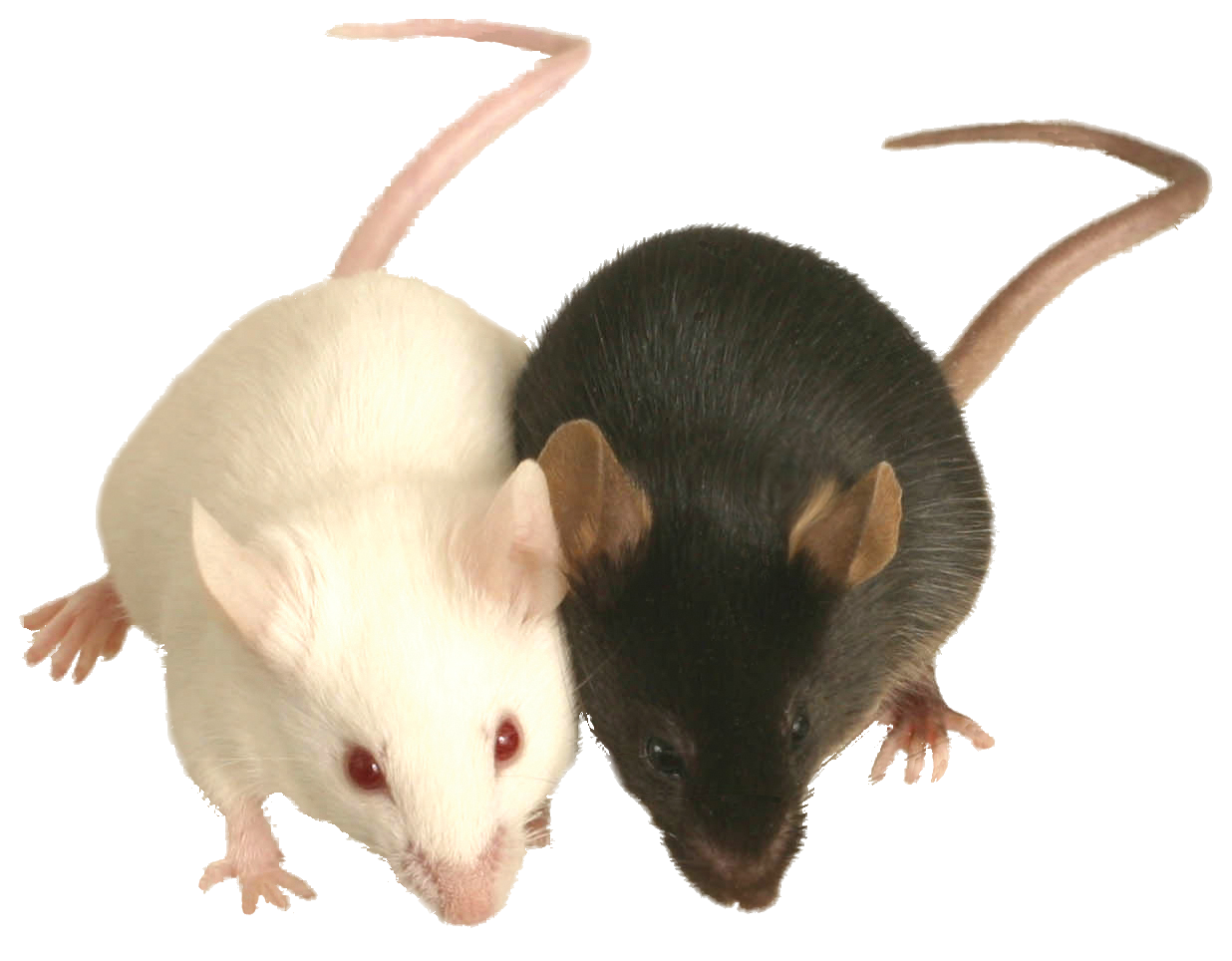
Homozygous null mice display postnatal mortality, severely retarded postnatal growth, impaired small intestine development, reduced organ size, and hypersensitivity to UV irradiation.
 
Human Diseases Modeled Using Mouse Ercc5 (1)    Alleles Annotated to Human Diseases(4)   
Gene Ontology
(GO)
classifications
All GO classifications: (33 annotations)
Process determination of adult lifespan, DNA repair, ...
Component DNA-directed RNA polymerase II, holoenzyme, holo TFIIH complex, ...
Function bubble DNA binding, catalytic activity, ...
This is a GO Consortium Reference Genome Project gene.
External Resources: FuncBase
Expression Literature Summary: (1 records)
Data Summary: Results (28)    Tissues (28)    Images (8)
Theiler Stages: 19, 23, 28
Assay TypeResults
RNA in situ 28
cDNA source data(84)
External Resources: Allen Institute   GEO   ArrayExpress
Molecular
reagents
All nucleic(87) Genomic(1) cDNA(84) Primer pair(2)
Microarray probesets(5)
Other database
links
VEGA Gene ModelOTTMUSG00000021431 (Evidence)
Ensembl Gene ModelENSMUSG00000026048 (Evidence)
Entrez Gene22592 (Evidence)
UniGene2213
DFCITC1578714, TC1608128, TC1685945
DoTSDT.101165120, DT.101315052, DT.102556635, DT.40185643
NIA Mouse Gene IndexU000231
EC3.1.-.-
Consensus CDS ProjectCCDS35553.1
International Mouse Knockout Project StatusErcc5
Sequences
Representative SequencesLengthStrain/SpeciesFlank
genomic OTTMUSG00000021431 VEGA Gene Model | MGI Sequence Detail 33414 C57BL/6J ±  kb
transcript OTTMUST00000050813 VEGA | MGI Sequence Detail 3907 Not Applicable 
polypeptide OTTMUSP00000023812 VEGA | MGI Sequence Detail 1170 Not Applicable 

For the selected sequences
All sequences(71) RefSeq(2) UniProt(9)
Polymorphisms All PCR and RFLP(3) : PCR(2) RFLP(1) SNPs(345 from dbSNP Build 128)
Protein-related
information
ResourceIDDescription
InterPro IPR020045 5'-3' exonuclease, C-terminal domain
InterPro IPR006084 DNA repair protein (XPGC)/yeast Rad
InterPro IPR008918 Helix-hairpin-helix motif, class 2
InterPro IPR001044 Xeroderma pigmentosum group G protein
InterPro IPR019974 XPG conserved site
InterPro IPR006085 XPG N-terminal
InterPro IPR006086 XPG/RAD2 endonuclease
Protein Ontology PR:000007167 DNA repair protein complementing XP-G cells
References (Earliest) J:29500 Shiomi T, et al., An ERCC5 gene with homology to yeast RAD2 is involved in group G xeroderma pigmentosum. Mutat Res. 1994 Mar;314(2):167-75
(Latest) J:153498 Diez-Roux G, et al., A high-resolution anatomical atlas of the transcriptome in the mouse embryo. PLoS Biol. 2011;9(1):e1000582
All references(39)
Other
accession IDs
MGD-MRK-24467

Contributing Projects:
Mouse Genome Database (MGD), Gene Expression Database (GXD), Mouse Tumor Biology (MTB), Gene Ontology (GO), MouseCyc
Citing These Resources
Funding Information
Warranty Disclaimer & Copyright Notice
Send questions and comments to User Support.
last database update
05/08/2013
MGI 5.13
The Jackson Laboratory