|
|
| Nomenclature |
|
Symbol:
|
Ptpn6me-v
|
|
Name:
|
protein tyrosine phosphatase, non-receptor type 6;
viable motheaten
|
|
MGI ID: |
MGI:1856074 |
|
Synonyms: |
Hcphme-v, mev, mev, motheaten viable, Ptpn6mev |
|
Gene:
|
Ptpn6
Location:
Chr6:124720707-124738714 bp, - strand
Genetic Position: Chr6,
59.17 cM
|
|
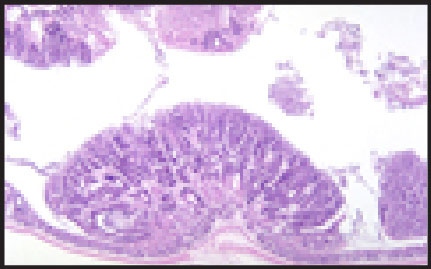
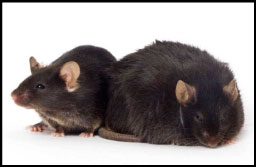
Phenotype of the Ptpn6me-v/Ptpn6me-v mouse
Show the 1 image(s) involving this allele.
|
 |
|
Mutation origin |
|
Strain of Origin:
|
C57BL/6J
|
|
Mutation description |
|
Allele
Type: | |
Spontaneous |
|
Mutation: | |
Single point mutation |
| |
|
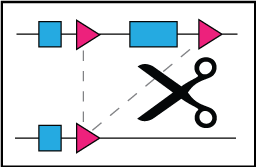
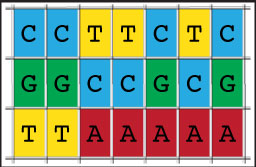
Mutation details: A T-to-A transversion point mutation at a splice consensus site results in the use of two other cryptic sites. One site would result in five amino acids being deleted from the encoded protein and the other would include 69bp of intronic sequence in the transcript. (J:11892)
|
|
Inheritance: | |
Recessive |
|
Phenotypes
|
View phenotypes for all genotypes (concatenated display).
|
| Find Mice (IMSR) |
Mouse strains and cell lines available from the
International Mouse Strain Resource
(IMSR)
|
|
Notes |
Large numbers of atypical plasma cells called "Mott" cells occur in lymphoid tissues of homozygous mutants. These cells contain inclusions called "Russell bodies" that consist of crystallized immunoglobulin (J:14936). Hcphme-v/Hcphme-v mutant prothymocytes fail to populate the thymus of irradiated hosts. Mutant prothymocytes seed the irradiated thymus but do not proliferate or differentiate, due to a defect in activity of intrathymic accessory cells derived from bone marrow (J:16613).
Like the autoimmune lymphoproliferation (Faslpr) and generalized lymphadenopathy disease (Faslgld) mutations, Hcphme-v displays a decreased response to T-cell mitogens. Exogenous recombinant interleukin 2 added to splenic cultures from Faslpr and Faslgld mice restored T cell proliferation in response to mitogens; interleukin 2 was not able to restore proliferation response in Hcphme-v cultures (J:1661).
Expression of stefin A, a cysteine protease inhibitor, increases in bone marrow, spleen, and pulmonary tissue of motheaten and viable motheaten mice, along with increased levels of the myelomonocytic cells that produce the stefins (J:20878).
|
| References |
|
Original: |
J:7531
Shultz LD et al.,
"Viable motheaten, a new allele at the motheaten locus. I. Pathology."
Am J Pathol 1984 Aug;116(2):179-92
|
|
All: |
96 reference(s)
|
|